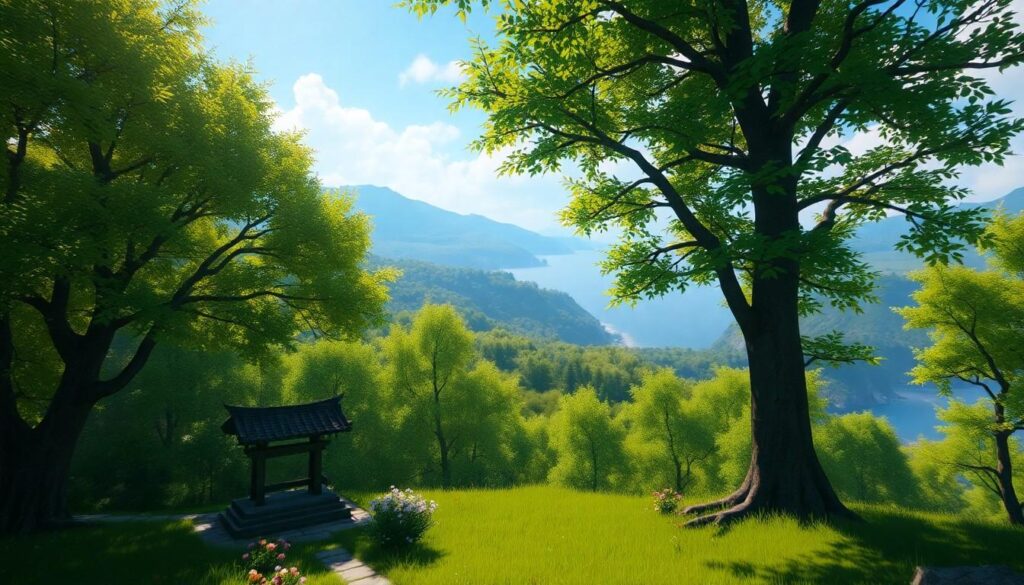
In the breathtaking world of Ghost of Tsushima, players don’t just wield swords; they also wield words. Haikus sprinkle poetic beauty throughout the game, inviting players to pause and reflect amidst the chaos of battle. But finding these hidden gems can feel like searching for a needle in a haystack—if that haystack was also on fire from Mongol invaders.
Overview of Ghost of Tsushima
Ghost of Tsushima immerses players in a stunning open-world environment set in feudal Japan. This action-adventure game features Jin Sakai, a samurai warrior, as he grapples with the Mongol invasion of Tsushima Island. Players navigate the vast landscape, which includes diverse terrains such as forests, mountains, and beaches, while engaging in strategic combat and stealth tactics.
Exploration plays a crucial role, leading players to discover various collectibles like shrines, artifacts, and, notably, haiku locations. Haikus are short poems that Jin can compose, offering an opportunity for players to reflect on nature’s beauty amid chaos. The game’s graphics and sound design elevate the overall experience, creating a rich sensory atmosphere.
Players encounter numerous challenges while progressing through the story, including intense battles and moral dilemmas. Visual storytelling enhances emotional connections to the characters and their struggles. Engaging side quests further develop the lore and provide deeper insight into the island’s history.
Haiku spots are scattered throughout the landscape, often hidden in quiet, picturesque settings, challenging players to pay attention to their surroundings. Finding these locations requires persistence and keen observation, rewarding players with a unique form of creative expression.
Cinematic gameplay intertwines with traditional samurai culture, showcasing the delicate balance between honor and survival. Through captivating narratives and an artistic environment, Ghost of Tsushima stands out in the gaming world, offering an unforgettable exploration of Japanese heritage.
Importance of Haiku Locations

Haiku locations in Ghost of Tsushima significantly enrich the gaming experience. Players find beauty and serenity amidst chaotic battles by engaging with these poetic elements.
Enhancing Gameplay Experience
Exploration of haiku locations adds depth to gameplay. Players navigate stunning landscapes to uncover these hidden gems. Finding a haiku spot invites moments of pause and reflection, contrasting combat’s intensity. Each location unfolds a unique view, drawing players deeper into Tsushima’s world. Poetic creation acts as a calming contrast to the game’s action, providing a sense of accomplishment with each completed haiku. Discovering these spots fosters a connection with the environment, immersing players in the breathtaking scenery.
Deepening Cultural Appreciation
Haiku locations promote an appreciation for Japanese culture and aesthetics. The immersive experience showcases the country’s natural beauty through crafted poetry. Each haiku reflects themes tied to nature, evoking emotions tied to the samurai’s journey. Understanding the significance of these poems enhances the narrative and emotional weight of the game. Players gain insight into traditional Japanese art forms while fostering a connection to Tsushima’s historical context. These reflective moments encourage a deeper engagement with the story, allowing players to appreciate not just the gameplay but the culture behind it.
Key Haiku Locations
Haiku locations in Ghost of Tsushima offer players a chance to engage with nature while crafting poetry. Each spot enhances the overall experience, blending serene environments with gameplay.
The Forests of Tsushima
Forests serve as peaceful retreats, framing some of the most striking haiku spots. Players discover hidden areas among the trees, where gentle rustling leaves and chirping birds create a calming atmosphere. Notable locations include the serene coastal forests in the southern region. Here, vivid flora contrasts with the quiet surroundings, inviting reflection. Finding these spots often requires exploration, as they blend seamlessly into the landscape, camouflaged by the beauty of the environment.
Coastal Cliffs and Beaches
Coastal cliffs provide breathtaking views that capture the essence of Tsushima. High above the waves, haiku locations often overlook the ocean’s vastness, delivering a captivating sense of peace. Vibrant sunsets cast a warm glow, enriching the experience further. Specific beaches, such as the ones along the eastern shoreline, become ideal sites for capturing the haunting beauty of the island. Scanning the horizon, players can appreciate the interplay between land and sea while contemplating nature’s artistry.
Mountain Peaks and Serenity
Mountain peaks hold a unique allure, offering a chance to embrace tranquility at high altitudes. Players hiking to these heights encounter stunning vistas that inspire introspection. Noteworthy locations are scattered across the northern mountains, where crisp air and panoramic views become the backdrop for poetry. Up here, the silence strikes a perfect balance with the rich tapestry of landscape below. Engaging with these elevated spots transforms haiku writing into a profound experience, blending the adventure with reflection.
Tips for Finding Haiku Locations
Finding haiku locations in Ghost of Tsushima involves keen observation and exploration. Utilizing a combination of map awareness and in-game tools enhances the search for these serene spots.
Exploring the Map
Players benefit from studying the in-game map carefully. Notable regions often highlight potential haiku locations with distinct icons. Each area contains unique landscapes that attract attention, such as lush forests or picturesque coastlines. Discovering all regions requires thorough exploration, as some haikus hide in less-traveled paths. Keeping an eye on the environment fosters a deeper appreciation for the beauty of Tsushima Island. Noticing small details, like the way trees sway or the sound of flowing water, often leads players to nearby haiku spots.
Utilizing In-Game Tools
Players can utilize various in-game tools to locate haiku spots efficiently. The guiding wind feature points toward nearby objectives and can direct attention to hidden areas. Players might also seek guidance from NPCs who share knowledge about the island’s beauty. Listening to environmental cues like rustling leaves or birdsong can indicate proximity to a haiku location. Using the photo mode allows players to capture stunning vistas, encouraging exploration of different perspectives. Engaging with these tools adds depth to the experience, creates memorable moments, and enriches players’ journeys across Tsushima.
Conclusion
Exploring haiku locations in Ghost of Tsushima adds a unique layer to the gaming experience. These serene spots invite players to pause and reflect while navigating the chaos of battle. Each location offers breathtaking views and a connection to nature that enhances the emotional weight of Jin Sakai’s journey.
The blend of intense action and moments of tranquility showcases the game’s dedication to Japanese culture and artistry. By seeking out these haiku spots players not only enrich their gameplay but also engage deeply with the beautiful landscapes of Tsushima. This thoughtful exploration transforms the adventure into a poetic experience that resonates long after the game is over.