Table of Contents
ToggleFortnite has always been about the details. From the way fabric moves in the wind to the reflections on a weapon’s surface, Epic Games pours attention into every aspect of character design. But there’s one area that often goes unnoticed by casual players: the rendering and customization of character feet and footwear. Whether you’re rocking beach sandals, tribal wraps, or sleek sneakers, the level of detail in Fortnite’s character models extends all the way down to the toes.
With Chapter 5 continuing to push graphical boundaries using Unreal Engine 5, the way characters move, pose, and display their footwear has reached new heights. This guide dives into how Epic designs character feet, which skins feature unique footwear designs, and how emotes showcase these often-overlooked details. If you’ve ever wondered why certain skins have bare feet or how the animation team captures realistic foot movement, you’re in the right place.
Key Takeaways
- Fortnite’s character feet and footwear feature extensive detail and customization, including individually modeled toes, realistic textures, and complex rigging that enables natural movement and animation.
- Epic Games uses Unreal Engine 5’s Nanite and Lumen systems to dramatically increase polygon counts and lighting fidelity for character feet, delivering micro-details like pores, wrinkles, and accurate environmental light reflection.
- Popular barefoot and sandal-themed skins like Sun Strider and Haze showcase Epic’s commitment to diverse footwear designs across beach, tribal, and casual lifestyle character categories.
- Dance and sitting emotes prominently display foot animation and footwear through choreography that includes rapid footwork, weight shifts, toe articulation, and realistic friction effects.
- Players can create cohesive full-body outfits by matching skin footwear colors and styles with back bling and pickaxe choices, following design principles like the Rule of Three Colors for visual harmony.
- Fortnite’s detailed approach to character design and footwear has influenced the entire gaming industry, with other battle royale titles adopting similar cosmetic customization and full-body character aesthetics.
Understanding Fortnite’s Character Models and Foot Rendering
How Epic Games Designs Character Feet and Footwear
Epic Games approaches character design with a surprising level of granularity. Each Fortnite skin isn’t just a reskin of a base model, it’s a carefully constructed asset that includes unique textures, meshes, and rigging for different body parts.
Feet and footwear are modeled as distinct components within the character mesh. When a skin features sandals, bare feet, or boots, the art team creates specific geometry for that footwear type. Bare feet, for example, include individual toe modeling with painted textures that suggest toenails and skin tone variation. This isn’t just a flat texture slapped onto a polygon, it’s a sculpted element with subtle shading.
The design process typically starts with concept art, where artists define the silhouette and visual identity of a skin. Footwear is considered part of that silhouette. A beach skin demands flip-flops or bare feet: a warrior skin might feature strapped sandals or wraps. The decision isn’t random, it’s about maintaining visual coherence across the entire character design.
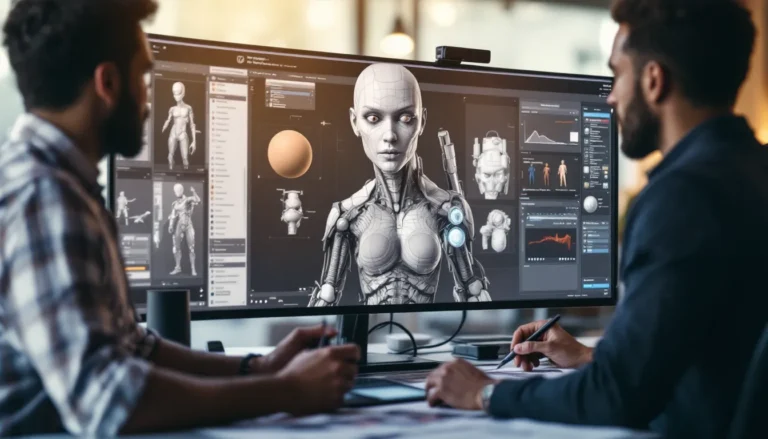
Epic also considers animation requirements. Feet need to deform naturally when a character runs, jumps, or performs emotes. That means the underlying bone structure (the rig) must support realistic toe articulation and ankle flexion. Characters with bare feet or open-toed shoes require more complex rigging than those with solid boots, since each toe needs individual bone assignment for proper animation.
Technical Graphics: Rendering Feet in Unreal Engine 5
Since Fortnite transitioned to Unreal Engine 5 in late 2024, the rendering quality of character models, including feet, has improved significantly. UE5’s Nanite virtualized geometry system allows for dramatically higher polygon counts without tanking performance.
What does this mean for character feet? More detailed meshes. Pre-UE5, feet might have been represented by a few hundred polygons. Now, with Nanite, Epic can push that count into the thousands for close-up details. Toes are rounder, sandal straps have actual depth instead of being painted-on textures, and skin surfaces show micro-detail like pores and wrinkles.
Lumen, UE5’s global illumination system, also plays a role. Feet now receive accurate bounce lighting from the environment. Stand on a sandy beach in-game, and you’ll see warm reflected light on the underside of your character’s feet. This level of lighting fidelity wasn’t possible in earlier engine versions.
The animation system has also seen upgrades. Fortnite uses a combination of hand-keyed animations and procedural systems for character movement. Feet are particularly challenging because they need to adapt to uneven terrain, slopes, and stairs. Epic uses inverse kinematics (IK) to ensure feet plant convincingly on surfaces. When a character stands on a slope, the ankle angles adjust so the foot doesn’t hover or clip through the ground.
For emotes, the animation team often hand-keys foot movements to emphasize style and personality. Dance emotes require precise footwork, and sitting emotes need natural toe and ankle positioning. These animations are baked into each emote and play consistently regardless of which skin you’re wearing, though skins with unique foot geometry (like large monster feet or robotic legs) sometimes require custom animation adjustments.
Popular Fortnite Skins Featuring Barefoot or Sandal Designs
Beach and Summer-Themed Skins
Beach skins are the most obvious category for barefoot or sandal designs. Epic releases these primarily during summer events, and they’ve become community favorites for their relaxed aesthetic.
Sun Strider (Season 5 Battle Pass) remains one of the most iconic barefoot skins. She sports a lifeguard outfit with no footwear, showcasing fully modeled feet with painted toenails. The skin’s popularity stems partly from its bright color palette and partly from the novelty of a completely barefoot character in a combat setting.
Relaxed Fit Jonesy (Chapter 4, Season 2) brought a more casual vibe with flip-flops visible in his default style. The sandals feature distinct straps and a rubber sole texture. Players appreciated the detail that the flip-flops slightly flex during movement animations, a subtle touch that adds realism.
Boardwalk Ruby (Item Shop, 2023) includes a summer dress with sandaled feet. The sandals have a gladiator-style strap design that wraps around the ankle, and the textures include metallic buckles that catch light appropriately.
These skins tend to perform well in the Item Shop because they offer something different from the heavily armored or futuristic skins that dominate much of Fortnite’s catalog. They’re also popular in Creative mode beach maps and Party Royale, where players hang out rather than compete.
Tribal and Ancient Warrior Skins
Tribal-themed skins often feature minimal footwear as part of their aesthetic. These designs lean into historical or fantasy influences where heavy boots would feel out of place.
Haze (Season 6 Battle Pass) features a dark magical theme with bare feet wrapped in glowing rune bindings. The feet are fully modeled beneath the wraps, and the animation team ensured the glowing elements pulse in sync with her overall character effects.
Mystique (Chapter 2, Season 4 Marvel season) technically doesn’t have traditional footwear in her default form, her feet are part of her shapeshifting body suit. The blue skin texture extends to detailed foot modeling with individual toes clearly defined.
Neymar Jr. (Chapter 2, Season 6) included a primal style with bare feet covered in tribal paint. This was controversial in the community not because of the design itself, but because a soccer player skin having a barefoot variant felt thematically odd. Still, the detail on the foot modeling was impressive, with dirt textures and paint patterns that matched his body art.
Warrior skins like Huntress and Valkyrie often feature strapped sandals similar to ancient Roman or Greek designs. These sandals have leather textures with wear patterns suggesting they’ve seen use, which adds to the authenticity of the character concept.
Casual and Lifestyle Outfit Collections
Fortnite’s casual lifestyle skins aim for everyday realism, and footwear plays a big role in that aesthetic. These aren’t combat-ready operators, they’re characters you might see at a skate park or coffee shop.
The Jordan collaboration skins naturally emphasize footwear, given the brand’s sneaker heritage. While these feature full shoes rather than bare feet, the detail on the sneakers themselves is remarkable. Each lace, logo, and texture is rendered to match real-world Jordan models.
Conversely, skins like Beach Jules (Chapter 2, Season 3) and Summer Skye (Chapter 2, Season 3) embrace a barefoot beach aesthetic. Jules in particular features detailed foot modeling that matches her overall tattooed, mechanic aesthetic, even her feet have small tattoos visible in her textures.
The cross-promotional skins with gaming or cultural brands have sparked renewed interest in sneaker collaborations that extend to in-game cosmetics. Players increasingly want footwear options that match real-world fashion trends, and Epic has responded by including more detailed shoe designs across new skin releases.
Emotes That Showcase Character Feet and Footwear
Dance Emotes With Foot-Focused Animations
Dance emotes are where Fortnite’s animation team really flexes their skills with foot movement. Some emotes barely show feet at all, while others make them central to the choreography.
Electro Shuffle (one of the original emotes) features rapid footwork that mirrors electronic dance music culture. The animation includes quick toe taps, heel pivots, and weight shifts that require precise foot placement. On skins with bare feet or sandals, you can clearly see individual toes flexing and the ball of the foot pushing off the ground.
Scenario (Season 7 Battle Pass, though later re-released) involves complex footwork with sliding motions and pivots. The animation team captured the way feet drag and twist during these moves, creating realistic friction and momentum. Players with barefoot skins often highlight this emote specifically because it showcases the character’s feet throughout the entire animation loop.
Breaking Point (Chapter 5, Season 1) is a breakdancing emote with several moments where the character’s feet are prominently displayed during freezes and spins. The animation includes a handstand section where feet are front and center, and the detail on ankle articulation during spins is impressive.
Never Gonna (the Rick Astley emote) might be a meme, but the foot animation is solid. The signature dance includes heel-toe combinations and side steps that look natural regardless of the skin’s footwear type. Epic clearly motion-captured actual dancers to get this level of precision.
Experienced players examining competitive animation quality will notice that Fortnite’s emote animations hold up remarkably well compared to other battle royale titles.
Sitting and Relaxation Emotes
Sitting emotes are another category where foot positioning becomes important. These emotes are popular in social game modes and when players are hanging out in the lobby.
Take a Seat (Item Shop emote) has your character pull out a chair and sit casually. Depending on the variant, feet are either flat on the ground or crossed at the ankles. On barefoot skins, the toes curl slightly when weight is off them, a detail that adds realism most players won’t consciously notice but subconsciously appreciate.
Squat Kick (Chapter 2, Season 6) features traditional Russian squat dancing with alternating leg kicks. Feet are constantly visible during the entire emote, making it a showcase for footwear and foot modeling. The animation includes proper foot flexion when kicked out and accurate weight distribution during the squat.
Pop Lock is primarily an upper-body emote but includes grounded footwork that shows off ankle stability and balance. Characters shift weight from foot to foot with subtle heel lifts that demonstrate the animator’s attention to how dancers actually move.
Chill Vibes (a more recent addition) has your character sit cross-legged with feet visible throughout. The animation includes small adjustments, toes wiggling, ankles rotating slightly, that make the pose feel less static and more natural. It’s these micro-animations that separate professional-grade character work from amateur efforts.
Customizing Your Fortnite Character’s Look From Head to Toe
Matching Footwear With Skin Styles
Many Fortnite skins include multiple styles that change colors, add armor, or alter clothing elements. But, footwear typically remains consistent across style variations, with some notable exceptions.
Progressive skins (like Drift from Season 5 or Catalyst from Season 10) gain additional clothing and armor as you level them up. Drift starts with sneakers and progressively adds glowing effects and particle trails, but the base footwear model stays the same. The visual evolution happens through layered effects rather than completely new geometry.
Reactive skins sometimes include footwear effects. For example, certain fire-themed skins leave flaming footprints, and ice-themed skins create frost patches where they step. These aren’t changes to the foot model itself but environmental effects triggered by foot placement.
When building a cohesive character look, players often match skin tones with exposed footwear. A beach skin with tanned feet looks odd paired with a stark white upper body style if the skin offers that option. Epic generally handles this well by ensuring style variants maintain consistent skin tones across all exposed body parts.
The Color Shift mechanic available on some newer skins (Chapter 5 onwards) allows players to change primary and secondary colors. Footwear color typically shifts with the skin’s overall palette, ensuring feet don’t clash with the rest of the outfit.
Using Back Bling and Pickaxes to Complete Your Outfit
While back bling and pickaxes don’t directly relate to feet, they’re essential for creating a balanced silhouette that draws the eye properly across the entire character.
Community fashion enthusiasts recommend following the Rule of Three Colors: your skin, back bling, and pickaxe should share a color palette limited to three main hues. When a skin has unique footwear, especially bright sandals or distinctive boots, those should factor into your color scheme.
For example, Beach Bomber with her bright yellow and pink color scheme pairs well with tropical-themed back bling like the Mello Rider board or the Sunny parasol. The footwear’s color echoes in these accessories, creating visual harmony from head to toe.
Players interested in the technical details of loadout coordination often share combination screenshots in community forums, breaking down why certain cosmetics work well together.
Pickaxe trails are another consideration. A barefoot character with a pickaxe that leaves ground effects creates a layered visual: bare footprints plus tool effects. This can look intentional and stylish, or cluttered and messy, depending on execution.
Gliders are the final piece of a complete outfit. While they don’t interact with feet directly, the overall aesthetic matters. A character with casual beach footwear looks odd deploying from a heavily militarized stealth glider. Visual consistency across all equipped cosmetics creates a more polished look.
Community Discussions and Fan Art Around Character Design
Where Fortnite Players Share Custom Concepts
The Fortnite community is exceptionally creative, and custom skin concepts are posted daily across multiple platforms. Many of these concepts include detailed attention to footwear and full-body design.
The r/FortniteFashion subreddit focuses specifically on cosmetic combinations and showcasing character aesthetics. Players post screenshots of their outfits, often broken down by skin, back bling, pickaxe, and wrap combinations. The community rates these based on color coordination, thematic consistency, and originality.
r/FortniteCreative and r/FortniteBR occasionally feature custom skin concept art. Artists in these communities often work digitally, creating renders that match Fortnite’s art style so closely they could pass as official Epic releases. Footwear design in these concepts ranges from tactical boots to fantasy elements like clawed feet or elemental effects.
Twitter/X has a significant Fortnite art community using hashtags like #FortniteFashion and #FortniteArt. Many concept artists are skilled 3D modelers who understand character rigging and texturing, so their designs are practical from a technical standpoint.
ArtStation hosts portfolio work from professional artists, including some who work for Epic Games. Browsing Fortnite character concept art on ArtStation reveals the development process behind official skins, including early sketches where footwear decisions are made.
Players looking at competitive content across esports coverage platforms will sometimes notice pros favoring certain skins, which can influence community perception of what looks good or performs well visually.
Responsible Engagement With Gaming Communities
Fortnite’s player base spans ages from young children to adults, which means community spaces need to maintain appropriate standards for all audiences.
Epic Games enforces a Code of Conduct that applies to official channels like the Fortnite Discord, in-game voice chat, and the Support-A-Creator program. Content that sexualizes character designs or creates inappropriate material faces removal and potential account action.
Fan art communities typically have their own moderation guidelines. Most major Fortnite subreddits prohibit NSFW content entirely, and submissions that violate this rule are removed quickly. Artists who create mature content for older audiences usually post on age-gated platforms with appropriate content warnings.
Players should approach character design discussions with awareness that Fortnite is a game played by diverse audiences. Appreciating artistic detail, like the quality of animation work or texture fidelity, is different from creating or seeking inappropriate content.
The competitive gaming scene also places emphasis on responsible community engagement, especially about how players interact around tournaments and esports content.
Parents monitoring their children’s gaming should be aware that while Fortnite itself is age-appropriate (rated T for Teen by the ESRB), unmoderated community spaces can contain content aimed at older audiences. Epic provides parental controls that restrict voice chat, friend requests, and content visibility, which can help create a safer environment for younger players.
Tips for Appreciating Fortnite’s Art Style and Design Details
Analyzing Animation Quality and Character Rigging
Understanding what makes good character animation helps you appreciate the effort Epic puts into every emote and movement.
Start by observing weight distribution. When a character shifts their stance or dances, their center of gravity should move realistically. Feet should plant firmly when supporting weight and lift naturally when weight transfers to the other leg. Amateur animations often have characters floating or snapping between poses: professional work like Fortnite’s shows smooth transitions with proper physics.
Secondary motion is another quality indicator. When a character stops moving, clothing and accessories continue briefly before settling. Feet should slide slightly when stopping from a sprint, mimicking real friction. Hair should flow behind during forward motion and swing back when stopping. These details require extra animation passes but dramatically improve realism.
Check out anticipation and follow-through in emotes. Before a big movement (like a jump or kick), characters should wind up slightly. After the movement, there should be recovery frames where the character settles back into a neutral pose. These animation principles are fundamental to making motion feel natural rather than robotic.
Character rigging determines how the underlying skeleton controls the visible mesh. Good rigging prevents clipping (where body parts pass through each other) and maintains volume (so a bent elbow doesn’t collapse into a weird cone shape). Feet are particularly prone to rigging issues because toes need individual control while still moving as a unified unit with the foot.
Fortnite’s rig includes separate bones for the ball of the foot, heel, and each toe. This allows animators to create realistic foot deformation during movement. When a character stands on tiptoes, the heel lifts and toes spread slightly to maintain balance, details enabled by sophisticated rigging.
How Fortnite’s Art Direction Influences Other Games
Fortnite’s success has made its art style influential across the gaming industry. Other developers study what Epic does right and apply those lessons to their own projects.
The readability-first approach to character design is one major influence. Fortnite skins have clear silhouettes that remain recognizable even at a distance or in motion. This isn’t accidental, Epic’s art direction prioritizes gameplay clarity. You should be able to identify an opponent’s skin from their outline alone.
Footwear contributes to silhouette. Bulky boots create a different lower-body profile than bare feet or sandals. Epic uses this to create visual variety while maintaining gameplay fairness (all character models have the same hitbox regardless of their visual appearance).
Color theory in Fortnite is another studied element. Skins use vibrant, saturated colors that pop against the environment. Footwear typically uses accent colors rather than primary ones, a bright yellow skin might have red or blue shoes to create visual interest without overwhelming the design.
The stylized realism balance is something many games try to replicate. Fortnite isn’t photorealistic, but it’s not cartoony either. Characters have realistic proportions and movement while maintaining exaggerated features (like oversized heads on some skins) for personality. This balance makes the game approachable for younger players while still looking impressive to older audiences.
Cross-promotional skins demonstrate how Fortnite adapts different art styles into its visual language. Marvel characters, anime collaborations, and real-world celebrities all get translated into Fortnite’s aesthetic. The process involves adjusting proportions, color palettes, and details like footwear to match the game’s established look while remaining recognizable as the source character.
Other battle royale games like Apex Legends, PUBG Mobile, and Call of Duty: Warzone have adopted similar approaches to character customization, often with cosmetics that include detailed footwear options. The success of Fortnite’s cosmetic ecosystem has proven that players value full-body customization, not just headgear and weapons.
Conclusion
Fortnite’s character design extends to every detail, including elements players might not consciously notice like foot modeling and footwear animation. Epic Games’ investment in technical quality using Unreal Engine 5 has elevated these details to a new level, making character models more realistic and expressive than ever.
Whether you’re drawn to beach skins with bare feet, warrior outfits with strapped sandals, or lifestyle skins with detailed sneakers, the variety available lets you express your style from head to toe. Emotes showcase this work through dance choreography and sitting animations that display the animation team’s skill.
Customizing a complete look means considering how your skin, footwear, back bling, and pickaxe work together as a cohesive aesthetic. The community continues to create impressive custom concepts and outfit combinations that push the boundaries of what’s possible within Fortnite’s art style.
As Epic continues developing Fortnite through 2026 and beyond, expect even more detailed character models, innovative footwear designs, and emotes that showcase the full range of character animation. The technical foundation is there, now it’s just about how creative the art team wants to get with future releases.