Table of Contents
ToggleBefore Travis Scott concerts in the sky and zero-build modes, there was a simpler time. A time when dropping Tilted Towers meant accepting your fate, when the SCAR was king, and when “just one more match” could stretch into sunrise. Fortnite Chapter 1 wasn’t just the beginning of a game, it was the birth of a cultural juggernaut that redefined battle royale, transformed how we think about live-service games, and created memories that players still chase today.
Running from September 2017 to October 2019, Chapter 1 spanned ten seasons of evolution, destruction, and rebirth. It introduced the original map that became as iconic as any video game world in history, established the Battle Pass model that dozens of games would copy, and proved that a free-to-play shooter could dominate both Twitch and playgrounds worldwide. Whether you were there grinding for the Black Knight or you’re curious what all the OG hype is about, understanding Chapter 1 is essential to appreciating where Fortnite came from, and why millions still want it back.
Key Takeaways
- Fortnite Chapter 1 (September 2017 – October 2019) revolutionized the battle royale genre by combining building mechanics with free-to-play accessibility, growing from 10 million to 125 million players and defining gaming culture for an entire generation.
- The original Chapter 1 map featured iconic locations like Tilted Towers that became virtual landmarks, with constant seasonal updates transforming the world and maintaining player engagement across ten distinct seasons.
- Legendary weapons like the SCAR, Pump Shotgun, and Bolt-Action Sniper Rifle established combat templates that competitive players still reference today, while aggressive vaulting strategies kept the meta fresh and unpredictable.
- Battle Pass cosmetics such as the Black Knight, Omega, and Ice King tier 100 skins created fear-of-missing-out phenomenon unmatched in gaming, with exclusive emotes like Floss and Orange Justice becoming mainstream cultural moments.
- The End event on October 13, 2019 pulled 6.4 million concurrent Twitch viewers into a black hole, proving Fortnite Chapter 1 transcended gaming to become a cultural event watched like television premieres.
- Epic’s return of Fortnite OG in December 2023 proved massive nostalgia demand exists, with players seeking the simplified loot pools, straightforward mechanics, and pure skill-based gameplay that defined Chapter 1’s competitive integrity.
What Was Fortnite Chapter 1?
The Launch and Evolution of Battle Royale
Fortnite Battle Royale launched on September 26, 2017 as a free addition to the original Save the World mode. Epic Games released it mere months after PUBG proved battle royale could print money, but Fortnite’s building mechanics, cartoonish art style, and accessibility set it apart immediately. Within two weeks, it hit 10 million players. By June 2018, that number exploded to 125 million.
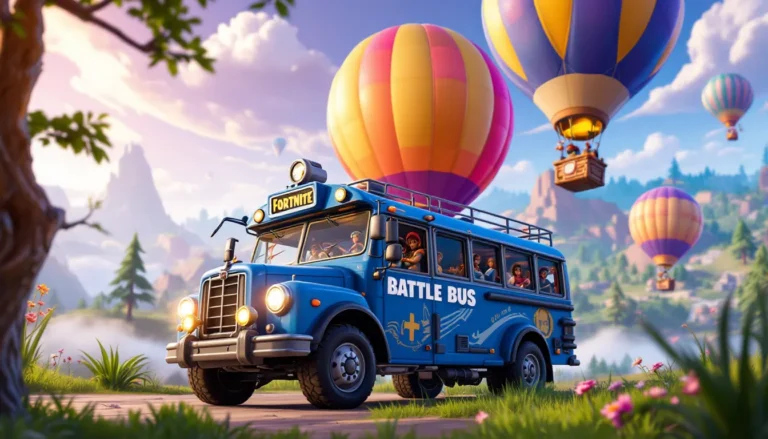
The core loop was deceptively simple: 100 players drop from a flying bus, scavenge weapons and materials, build structures for defense or mobility, and fight until one player or squad remains. But the building system, letting players harvest wood, brick, and metal to construct walls, ramps, and towers mid-combat, created a skill ceiling no other shooter could match. Early Chapter 1 saw players learning to build single ramps for high ground. By Season 5, build battles resembled architectural fever dreams, with players cranking 90-degree turns at lightning speed.
Epic supported this with relentless content cadence. New weapons dropped weekly. Limited-time modes experimented with 50v50 battles, jetpacks, and infinity stones. The game wasn’t just updated, it evolved in real-time, with major news outlets covering each season’s narrative twists as if they were television premieres.
Chapter 1’s Timeline and Season Structure
Chapter 1 ran for exactly 751 days across ten distinct seasons, though Season 1 didn’t even have a Battle Pass yet. Here’s the timeline breakdown:
- Season 1 (Sept 26 – Dec 13, 2017): 72 days, no Battle Pass
- Season 2 (Dec 14, 2017 – Feb 21, 2018): 70 days, introduced the Battle Pass system
- Season 3 (Feb 22 – Apr 30, 2018): 68 days
- Season 4 (May 1 – Jul 11, 2018): 72 days, meteor impact event
- Season 5 (Jul 12 – Sep 26, 2018): 77 days, rifts and desert biome
- Season 6 (Sep 27 – Dec 5, 2018): 70 days, Kevin the Cube saga
- Season 7 (Dec 6, 2018 – Feb 27, 2019): 84 days, iceberg and planes
- Season 8 (Feb 28 – May 8, 2019): 70 days, volcano and pirate theme
- Season 9 (May 9 – Jul 31, 2019): 84 days, futuristic Neo Tilted
- Season 10/Season X (Aug 1 – Oct 13, 2019): 74 days, time travel and The End event
Each season introduced a new Battle Pass with 100 tiers of cosmetics, typically costing 950 V-Bucks (roughly $9.50) and offering themed skins, emotes, harvesting tools, and back bling. Completing challenges unlocked exclusive rewards, with tier 100 skins like Omega, Ragnarok, and the Ice King becoming instant status symbols.
The Iconic Original Map and Its Legendary Locations
Tilted Towers: The Heart of Early Fortnite Combat
No location defined Chapter 1 like Tilted Towers. Introduced at the start of Season 2 in the map’s central-west quadrant (grid coordinates D5-E5), Tilted became Fortnite’s Thunderdome. Its dense urban layout featured multi-story buildings, a clock tower that became a sniper’s paradise, and enough loot to outfit a full squad, if you survived.
Drop counts told the story. In an average match, 20-40% of the lobby would land Tilted, turning the city into a frantic early-game bloodbath. Players who emerged from Tilted with 5+ eliminations and decent mats could snowball through mid-game. But the location also bred a specific playstyle: aggressive, mechanically demanding, and unforgiving to hesitation.
Tilted was partially destroyed by a volcano in Season 8, then rebuilt as the futuristic Neo Tilted in Season 9, before finally being obliterated in Season X. Its destruction felt like losing a landmark. When players discuss wanting the Fortnite Season OG experience back, Tilted Towers sits at the emotional core of that nostalgia.
Retail Row, Pleasant Park, and Other Fan-Favorite Drops
Beyond Tilted, Chapter 1’s map offered drop spots for every playstyle:
Retail Row (H6): A commercial district in the southeast with parallel streets, predictable loot spawns, and mid-tier action. Retail was the thinking player’s drop, safe enough to gear up, active enough to practice fighting.
Pleasant Park (C3): Suburban houses northwest of the map center. Pleasant’s separate buildings meant squads could split loot efficiently, and its central location offered rotation flexibility. The soccer field became a community meme spot.
Salty Springs (F6): Dead-center map, guaranteeing action from every angle. Three houses and a gas station meant limited loot for high traffic, only confident players dropped here consistently.
Shifty Shafts (D7): Underground mining tunnels southwest of Tilted. Shifty’s vertical layout and tight corridors created unique combat scenarios. Low-tier loot but great brick farming.
Lonely Lodge (I4): Far eastern compound with a central tower. Lonely lived up to its name, perfect for players wanting a quiet start before rotating.
Greasy Grove (C7): Western town with a Durr Burger restaurant that became iconic in Season 4’s storyline. Solid loot, often overlooked.
Map Changes Throughout Chapter 1’s Seasons
The original map underwent constant transformation, making each season feel distinct:
Season 3-4: A comet appeared in the sky, crashed into Dusty Depot in a live event, creating Dusty Divot, a massive crater with government research facilities and alien hop rocks that granted low-gravity jumps.
Season 5: Rifts tore through reality, bringing a desert biome to the southeast (Paradise Palms replaced Moisty Mire) and a Viking village to the northern mountain. The Lazy Links golf course replaced Anarchy Acres.
Season 6: Kevin the Cube rolled across the map, creating runes and corrupted zones with shadow stones. Eventually, Kevin dissolved into Loot Lake, making it bouncy before lifting the island in the center.
Season 7: An iceberg collided with the southwest corner, adding Polar Peak, Frosty Flights, and the Iceberg biome. Planes entered the loot pool.
Season 8: A volcano emerged between Lazy Lagoon and Sunny Steps (the new pirate-themed locations). In a live event, it erupted and destroyed Tilted Towers and Retail Row.
Season 9: The map went futuristic with Neo Tilted and Mega Mall (replacing Retail). Sky platforms and slip streams enabled vertical mobility.
Season X: Rift zones created localized reality distortions, Tilted Town banned building, Moisty Palms turned players into Prop Hunt objects, and Gotham City appeared via a Batman crossover.
Every Season of Chapter 1 Breakdown
Season 1-3: Establishing the Foundation
Season 1 was bare-bones by modern standards. No Battle Pass, just a basic season shop where players could buy Renegade Raider (now one of the rarest skins) and Aerial Assault Trooper if they reached level 25. The map was clean, simple, and immediately memorable.
Season 2 changed everything with the Battle Pass, introducing tier progression and exclusive skins. The Black Knight (tier 70) became the first true prestige skin, while the Floss emote spread through schools worldwide faster than administrators could ban it. This season also added the Shooting Test LTM, experimenting with first-shot accuracy.
Season 3 leaned into space themes with the Battle Pass featuring Dark Voyager, Elite Agent, and the tier 100 John Wick (officially called The Reaper, but everyone knew what Epic was doing). Weapon balance improved significantly, and building became central to competitive strategy. Players practicing effective combat techniques began dominating lobbies.
Season 4-6: Meteors, Rifts, and Storyline Evolution
Season 4 introduced Fortnite’s living narrative. The comet impact brought superhero and villain skins (Carbide, Omega), weekly challenges with progressive unlocks, and the first major map destruction. Hop rocks enabled insane aerial plays, temporarily raising the skill ceiling.
Season 5 expanded the map dramatically with the desert biome, vehicles (ATKs), and rifts that revolutionized rotation and escape options. The tier 100 Ragnarok skin featured progressive styles that unlocked post-season, reducing FOMO pressure. This season solidified Fortnite’s dominance, with Ninja’s stream with Drake in March 2018 already making headlines months prior.
Season 6 got weird with Kevin the Cube’s journey, shadow stones, and a Halloween theme featuring Dire (werewolf) and Calamity (western) skins. The floating island became a bizarre mid-match landmark, and players either loved or hated the chaos.
Season 7-10: Ice, Volcanoes, Mechs, and The End
Season 7 brought winter with the iceberg collision, ziplines, and the controversial Infinity Blade mythic weapon (vaulted after two days due to being hilariously overpowered). The Ice King tier 100 skin and Zenith showcased Epic’s improving cosmetic design. Planes dominated mobility but frustrated players who felt aerial third-partying was excessive.
Season 8 went pirate-themed with the volcano, buried treasure, and the Luxe tier 100 skin (considered underwhelming compared to Omega or Ragnarok). The volcano event that destroyed Tilted was spectacular but marked the beginning of aggressive map changes some veterans disliked.
Season 9 embraced sci-fi futurism with Neo Tilted, Mega Mall, and the Vendetta/Rox battle pass. Combat Shotgun replaced Pump (controversial decision), and the Final Showdown live event featured a giant robot fighting a monster, pure spectacle.
Season X (Season 10) went full nostalgia trip with returning locations via rift zones, the unique gameplay mechanics each zone introduced, and the B.R.U.T.E. mech that nearly broke the competitive scene. The End event on October 13, 2019 pulled players into a black hole, ending Chapter 1 with gaming’s most-watched moment, 6.4 million concurrent Twitch viewers watching nothing.
When does OG Fortnite come back? Epic brought back the original map temporarily in December 2023 for Fortnite OG Season, letting players relive Chapter 1 for a limited time. Based on that success, they’ve hinted at additional returns, though exact dates remain unannounced.
Weapons and Items That Defined Chapter 1
OG Weapons: SCAR, Pump Shotgun, and Bolt-Action Sniper
Chapter 1’s weapon sandbox established templates dozens of games still copy.
The SCAR (Legendary/Epic Assault Rifle) was the gold standard for medium-range combat. With 35-36 body damage (depending on rarity), 2.75x headshot multiplier, and excellent accuracy, finding a gold SCAR early meant you’d built different for the rest of the match. Its distinctive sound became Pavlovian, you heard it and immediately built cover.
Pump Shotgun dominated close-quarters throughout most of Chapter 1. The original blue Pump could hit 200+ damage on a perfect headshot, enabling one-shot eliminations against full shield opponents. This created Fortnite’s signature combat rhythm: build for position, edit for surprise, pump for deletion. When Epic vaulted it in Season 9, the community rioted until its return.
Bolt-Action Sniper Rifle rewarded patience and precision. 105 body damage, 262.5 headshot damage (legendary variant) with significant bullet drop required mastery. Hitting a 200+ meter headshot on a moving target while accounting for drop and leading your shot? That was montage material.
Other iconic weapons included:
- Tactical SMG: Pre-nerf versions melted through builds and health
- RPG (Rocket Launcher): Essential for late-game pressure and build destruction
- Hand Cannon: High-risk, high-reward with massive structure damage
- Hunting Rifle: Faster-firing sniper alternative introduced in Season 3
Vaulted and Unvaulted Items Throughout the Era
Epic’s aggressive vaulting strategy kept the meta fresh but frustrated players attached to specific items.
Controversial Vaults:
- Guided Missile (Season 3): Vaulted for being oppressive, briefly returned in Season 5
- Drum Gun (Season 5): Vaulted for shredding everything, players voted to unvault it in Season 8 (immediately regretted it)
- Pump Shotgun (Season 9): Community meltdown when replaced by Combat Shotgun
- Infinity Blade (Season 7): Mythic sword vaulted after 48 hours of chaos
Fan-Favorite Items:
- Launch Pad: Mobility staple throughout Chapter 1, essential for rotations
- Impulse Grenades: Enabled trick shots and environmental eliminations
- Boogie Bomb: Forced enemies to dance, disrupting builds and combat
- Grappler (Season 5-6): Instant mobility and high-ground retakes
- Rift-to-Go (Season 5+): Portable rift for emergency escapes
The constant rotation meant every season played differently. Players who mastered adapting to new weapons and developing strategies climbed ranks fastest.
Battle Pass Skins and Cosmetics Players Still Covet
The Most Iconic Chapter 1 Skins
Chapter 1 Battle Passes created a fear-of-missing-out phenomenon gaming had never seen. Unlike shop skins that could return anytime, Battle Pass cosmetics were locked to their season forever (with rare exceptions).
Most Coveted Tier 100 Skins:
- Black Knight (Season 2): The OG status symbol. Simple design, but owning it proved you were there at the beginning.
- Omega (Season 4): Customizable lights unlocked via Season 4 challenges. Players who didn’t max him out before the season ended lost access forever, Epic later admitted this was too punishing.
- John Wick/The Reaper (Season 3): Everyone wanted to be Keanu before we knew the extent of his power.
- Ragnarok (Season 5): Viking aesthetic with progressive styles unlockable after the season (Epic’s solution to Omega backlash).
- Ice King (Season 7): Unlockable styles via outliving opponents, with pristine white being the flex.
Lower-Tier Legends:
- Sparkle Specialist (Season 2, tier 56): Disco outfit that remained popular for years
- Renegade Raider (Season 1 shop): Technically not Battle Pass, but the rarest “OG” skin
- Drift (Season 5, tier 1): Progressive mask and coat, extremely popular progressive skin
- Calamity (Season 6, tier 1): Western theme with multiple style options
Emotes, Gliders, and Other Rare Cosmetics
Emotes became Fortnite’s social language. Chapter 1 introduced:
- Floss (Season 2): Started the real-world emote craze
- Take the L (Season 3): Ultimate BM emote for eliminations
- Orange Justice (Season 4): Community-created dance
- Laugh It Up (Season 6): Donkey laugh that tilted everyone
- Scenario (Season 9): K-pop dance that became a phenomenon
Gliders like Mako (Season 1), Snowflake (Season 2), and Pointer (Season 3 Battle Pass Tier 1) became rare status indicators. Back bling started with Season 2, making Black Shield another OG flex.
Pickaxes evolved from basic tools to elaborate harvesting tools. AC/DC (Season 2), Rainbow Smash (Season 3), and various reactive pickaxes became as important as skins for personal expression. Players wanting to customize their character appearance had endless combinations by Season 10.
Cultural Impact and Why Chapter 1 Remains Legendary
How Chapter 1 Changed Gaming and Pop Culture
Fortnite Chapter 1 didn’t just dominate gaming, it infiltrated mainstream culture in ways no game had since Pokémon.
The numbers tell part of the story. By 2018, Fortnite generated $2.4 billion in revenue, making it the highest-earning free-to-play game ever at that point. Epic Games’ valuation skyrocketed. Concurrent player counts regularly exceeded 8 million. But statistics don’t capture kids doing Floss dances at recess, NFL players celebrating touchdowns with Orange Justice, or late-night shows discussing battle royale strategies.
Celebrity engagement accelerated mainstream adoption. Drake played with Ninja in March 2018, breaking Twitch records. Travis Scott performed a virtual concert in April 2020 (technically Chapter 2, but the foundation was Chapter 1). Marshmello’s February 2019 concert attracted 10.7 million concurrent in-game viewers, proving Fortnite was more than a game, it was a social platform.
Educational institutions struggled to respond. Schools banned emotes, teachers incorporated Fortnite into lessons, and parental concern articles flooded newspapers. But the game’s 12+ ESRB rating and cartoon violence made moral panic difficult to sustain.
Esports evolved differently thanks to Fortnite. Instead of traditional league structures, Epic hosted open qualifiers leading to massive prize pools. The 2019 Fortnite World Cup (technically after Chapter 1, but built on its foundation) offered $30 million in prizes, with 16-year-old Kyle “Bugha” Giersdorf winning $3 million. According to esports coverage, this changed how organizations approached battle royale competition.
The Nostalgia Factor: Why Players Want It Back
The clamor for Chapter 1’s return stems from several factors beyond simple nostalgia.
Simplicity: Early Fortnite had a tighter loot pool, no excessive mobility items, and straightforward mechanics. Season X’s addition of mechs, rift zones, and constant gimmicks felt bloated compared to Season 3’s clean gameplay.
Map familiarity: Players spent nearly 800 days learning every tree, hill, and building in the original map. That geographic knowledge became muscle memory. Each subsequent map required relearning, and none generated the same emotional attachment.
Community moments: Chapter 1 was where friendships formed, where squeaker squads first clutched Victory Royales, where the game felt like a shared cultural event rather than another live-service treadmill.
Skill expression: Pre-turbo build nerf and pre-overpowered mythic weapons, mechanical skill and game sense mattered most. Competitive players especially miss the “pure” meta before Epic added AI, bots, and SBMM (skill-based matchmaking).
When Epic brought back the Fortnite OG season in December 2023, starting with the Chapter 1 Season 5 map and progressively updating through later seasons, player counts spiked dramatically. It proved the demand wasn’t just rose-tinted memories, people genuinely preferred that version’s pacing and design philosophy.
How to Experience Chapter 1 Today
Officially experiencing authentic Chapter 1 requires waiting for Epic to bring back OG seasons, which they’ve done periodically. The December 2023 Fortnite OG event ran for about a month, cycling through versions of the original map with era-appropriate weapons and mechanics.
When does OG Fortnite come back? Epic hasn’t committed to a regular schedule, but the 2023 event’s success makes future returns likely. Follow @FortniteGame on X (Twitter) or enable in-game notifications for announcements.
Between official OG events, players have limited options:
Creative Mode Maps: Talented creators have reconstructed Chapter 1 locations in Creative, though these lack the original map’s full scale and connected geography. Search “Chapter 1” in the Creative hub for playable recreations of Tilted Towers, Retail Row, and other landmarks.
Replay Old Content: YouTube and Twitch archives preserve countless hours of Chapter 1 gameplay. Watching early Ninja, Tfue, SypherPK, or Myth streams shows how the meta evolved and can improve your current gameplay by studying fundamental building and positioning.
Community Discussion: Subreddits like r/FortniteBR and Discord servers keep Chapter 1 memories alive through screenshot sharing, strategy discussion, and speculation about future OG events.
Private Servers: Some community-run projects attempt to recreate Chapter 1 on private servers, but these violate Epic’s terms of service and risk account bans. They’re also frequently targeted with takedown notices.
The safest bet remains patience. Epic clearly understands Chapter 1’s value, both nostalgically and financially. Expect them to leverage it strategically, especially during slower content periods or major game anniversaries.
Conclusion
Fortnite Chapter 1 was lightning in a bottle, a perfect storm of accessible gameplay, cultural timing, and relentless innovation that created gaming’s defining moment of the late 2010s. From Tilted Towers’ chaotic streets to the black hole that ended it all, those 751 days produced more memorable moments than most games achieve in a decade.
The original map’s locations became virtual landmarks we knew as well as our own neighborhoods. The Battle Pass skins we earned (or missed) still spark emotional reactions years later. And the simplified weapon pool and building-focused combat created a skill ecosystem that felt fair, rewarding, and endlessly deep.
Chapter 1 can’t truly return permanently, gaming evolves, player expectations shift, and Epic’s business demands new content. But its influence echoes through every season that followed, every battle royale that tried to capture its magic, and every “OG” reference that still dominates community discussions. Whether you were cranking 90s in Paradise Palms or hiding in a bush hoping for top 10, you were part of something special. And judging by how quickly lobbies fill when Epic brings back even a taste of that era, it’s clear we’re all still chasing that first Victory Royale feeling.